
The partnership with Samsung was the key to
bringing a quad-core phone to the market. Meizu didn't quite beat the
big names with LG, HTC and, naturally, Samsung getting there first, but
it secured a precious advantage over local rivals Huawei and that should
be a big win for them.


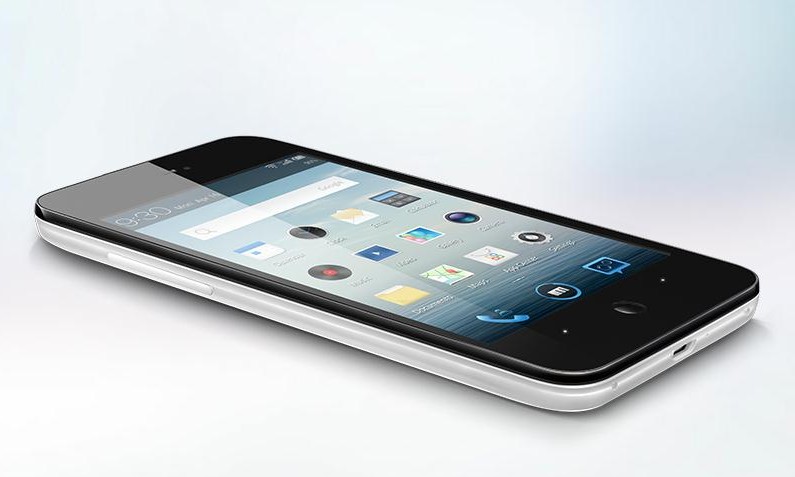
Meizu MX 4-core official photos
We're about to start exploring a phone we've already seen. The Meizu
MX 4-core is virtually the same as the original dual-core Meizu MX, if
you don't count the two extra cores. But who are we fooling here? We
know you do. Now here's the cheat sheet to get you started.
Key features
- Quad-band GSM and penta-band 3G support
- 21.6 Mbps HSDPA and 5.76 Mbps HSUPA
- 4.0" 16M-color ASV capacitive touchscreen of 640 x 960 pixel resolution; Gorilla glass
- Heavily skinned Android OS v4.0 ("Flyme OS")
- 1.4 GHz quad-core Cortex-A9 CPU, Mali-400MP GPU, Exynos 4212 Quad chipset, 1GB of RAM
- 8 MP wide-angle autofocus camera with LED flash, face and smile detection; Wide Dynamic Mode
- Up to 1080p video recording @ 30fps
- Wi-Fi 802.11 b, g and n support; Wi-Fi hotspot
- GPS with A-GPS connectivity; Digital compass
- 32/64GB of internal storage
- Accelerometer, gyroscope and proximity sensor
- Charging MHL microUSB port with USB host, TV-out support (1080p via an optional adapter) and S/PDIF-out for dock connection
- Standard 3.5 mm audio jack
- Stereo Bluetooth v2.1
- Active noise cancellation with a dedicated mic
- VGA secondary video-call camera
- Full Flash support
- Document editor
- File manager comes preinstalled
- Impressively rich audio and video format support
Main disadvantages
- Tries too hard to beat the iPhone at its own game
- Sub-par viewing angles and sunlight legibility
- Looks exactly like its predecessor
- No dedicated camera key (but cool Gesture captuire option and volume rocker alternative)
- Non-expandable internal storage
- Battery not user replaceable
- No FM radio
If you've been paying attention, you'd notice that the lists are
quite similar - the original Meizu MX has been there, done that. There
are only two major changes and one of them is the updated Flyme OS. The
MX 4-core offers a user experience so vastly different from the
established brands that Meizu may not be too worried in the end about
the high-profile competition.
The other update the Meizu MX 4-core brings is the real deal, which
is why it's right there in the smartphone's name. The two extra cores,
the better GPU and the new 32nm architecture mean the Meizu flagship is
now faster and smoother while still using roughly the same amount of
power.

No comments:
Post a Comment